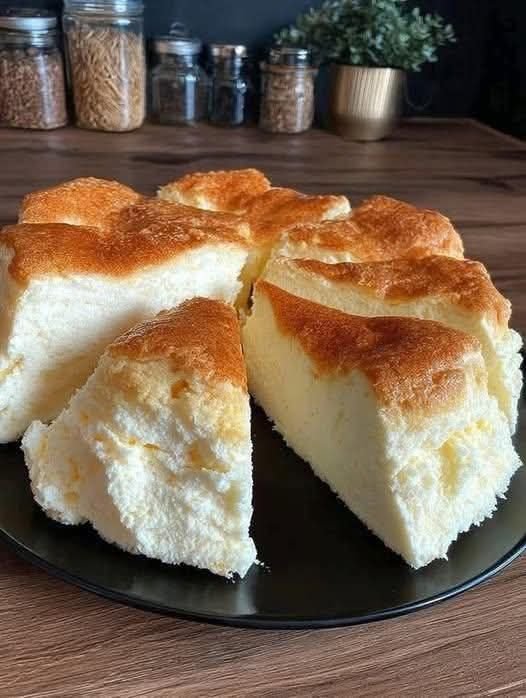
Anti Inflammatory Japanese Soufflé Cheesecake Recipe
The world of baking is often filled with heavy sugars and processed fats that can leave you feeling sluggish or bloated after just one slice of dessert. However this specific recipe for an anti inflammatory Japanese soufflé cheesecake is designed to change that experience forever by focusing on ingredients that soothe your body instead of causing internal stress. This cake is a marvel of food science and culinary art because it manages to stay incredibly light and airy while still being packed with flavor and healthy nutrients that support your well being. When you take your first bite you will notice how the texture resembles a fluffy cloud that melts away on your tongue without the heavy oily residue found in traditional cheesecakes. By swapping out standard refined sugars for natural sweeteners and using flour alternatives that do not trigger gut sensitivity we have created a masterpiece that anyone can enjoy regardless of their dietary goals. It is a perfect bridge between a decadent treat and a mindful snack because it respects the delicate balance of your digestive system while satisfying every sweet craving you might have throughout the day.
People all over the globe have fallen in love with the classic Japanese cheesecake because of its famous jiggle and its unique sponge like consistency which is vastly different from the dense New York style cakes. This version takes that beloved foundation and elevates it by adding specific anti inflammatory components like ginger and high quality protein sources that help your body recover from a long day. The reason this particular recipe has become a favorite among health conscious foodies is that it does not force you to choose between your love for sweets and your desire to feel physically great. Many people find that typical desserts lead to a spike in blood sugar followed by a crash but this recipe uses slow burning fuels to keep your energy levels steady and your mood elevated for hours. There is something truly magical about watching the cake rise in the oven as it transforms from a simple batter into a golden brown dome of deliciousness that smells like vanilla and warmth. It brings a sense of accomplishment to the baker and a sense of joy to the eater because every single component is chosen with care and intention for the best possible outcome.
You might be wondering when the best time is to prepare such a delicate and thoughtful dish for yourself or your family and the answer is truly anytime you want to celebrate life. It is an excellent choice for a birthday party where you want to serve something elegant and light or even for a quiet Sunday afternoon when you just want to curl up with a cup of tea and a healthy snack. Because this recipe focuses on reducing inflammation it is also a fantastic gift for a friend who might be feeling under the weather or someone who is trying to stick to a clean eating lifestyle without feeling deprived of joy. Baking this cake is a form of self care because the process itself is very calming and requires you to be present in the moment as you whisk the egg whites into stiff peaks. The emotional reward of sharing a homemade cake that you know is actually good for your friends is something that stays with you much longer than the taste alone. It proves that you can be a fitness enthusiast or a health advocate and still participate in the beautiful tradition of eating cake during special moments with the people you love the most.
Whether you are a beginner in the kitchen or a seasoned pro you will find that this recipe is very approachable because it breaks down complex techniques into simple and manageable steps. The taste is subtle yet deep with a creamy finish that leaves you wanting just one more small piece because it is never too sweet or overwhelming for the palate. We live in a fast paced world where we often eat on the run but this cheesecake encourages you to slow down and savor the texture and the light citrus notes that dance across your taste buds. By choosing this anti inflammatory path you are making a conscious decision to fuel your brain and your muscles with high quality fats and proteins that build a stronger version of you. It is more than just a list of ingredients and instructions because it represents a shift in how we view indulgence and health as two things that can coexist in perfect harmony. Prepare your mixing bowls and your whisk because you are about to embark on a baking journey that will transform your kitchen into a sanctuary of wellness and wonderful aromas that will drift through every room of your home.
Ingredients You Will Need
To make this beautiful cake you will need to gather the following items before you start the mixing process to ensure everything goes smoothly.
-
250 grams of organic cream cheese at room temperature
-
6 large organic egg yolks
-
6 large organic egg whites kept very cold in the fridge
-
70 grams of natural honey or maple syrup
-
50 grams of grass fed unsalted butter
-
100 milliliters of unsweetened almond milk or coconut milk
-
1 tablespoon of freshly squeezed lemon juice
-
1 teaspoon of grated fresh ginger for anti inflammatory benefits
-
60 grams of almond flour sifted finely
-
20 grams of arrowroot powder or organic cornstarch
-
1 teaspoon of pure vanilla extract
-
A pinch of sea salt to enhance all the natural flavors
-
Half a teaspoon of cream of tartar to help the egg whites stay firm
Step by Step Method
-
Preparation of the Oven and Pan: Start by preheating your oven to 150 degrees Celsius or 300 degrees Fahrenheit. You will also need an eight inch round cake pan with a removable bottom. Line the bottom and the sides with parchment paper that stands about two inches above the rim of the pan because the cake will rise quite high. Wrap the outside of the pan in two layers of heavy duty aluminum foil to prevent water from leaking in during the water bath.
-
Melting the Base: In a large glass bowl placed over a pot of simmering water create a double boiler. Add the cream cheese and the butter along with the almond milk. Stir these gently until the mixture is completely smooth and there are no lumps remaining in the bowl. Once it is liquid and creamy remove it from the heat and let it cool down for about five minutes.
-
Adding the Yolks and Aromatics: Whisk the egg yolks into the warm cream cheese mixture one at a time. Ensure each yolk is fully incorporated before adding the next one. After that stir in the honey or maple syrup along with the vanilla extract and the lemon juice. Add your grated ginger and the pinch of sea salt now so the flavors can begin to meld together perfectly.
-
Sifting the Dry Ingredients: Carefully sift the almond flour and the arrowroot powder into the wet mixture. Use a hand whisk to combine everything until the batter is silky and thin. If you see any tiny lumps of flour you can pass the entire batter through a fine mesh sieve into a clean bowl to ensure a perfect texture for the final cake.
-
Whisking the Egg Whites: This is the most important part for the fluffiness. In a separate very clean bowl start beating the cold egg whites with the cream of tartar on low speed. Once it becomes foamy increase the speed to medium. Continue whisking until you reach soft peaks which means the whites hold their shape but the tips fold over when you lift the whisk. Do not overbeat them into stiff dry peaks or the cake might crack in the oven.
-
The Folding Process: Take about one third of the egg white mixture and gently fold it into the cream cheese batter using a spatula. Use a light hand and a circular motion from the bottom to the top. Once combined add the rest of the egg whites in two more stages. You must be very gentle here to keep as much air in the batter as possible so your cake stays tall and light.
-
Baking in a Water Bath: Pour the batter into your prepared cake pan and tap it on the counter once or twice to release any large air bubbles. Place the cake pan inside a larger deep baking tray. Fill the larger tray with hot water until it reaches halfway up the sides of the cake pan. Carefully slide the tray into the oven.
-
The Cooking Time: Bake the cake at the initial temperature for about 60 minutes. After that reduce the oven temperature to 140 degrees Celsius or 275 degrees Fahrenheit and bake for another 15 to 20 minutes until the top is a beautiful golden brown color.
-
The Cooling Phase: Turn off the oven but do not take the cake out immediately. Prop the oven door open just a tiny bit with a wooden spoon and let the cake sit inside for 15 minutes. This slow cooling prevents the cake from shrinking too fast. After that take it out and let it cool completely on a wire rack before removing it from the pan.
-
Final Serving: For the best taste and texture place the cake in the refrigerator for at least four hours or overnight. This allows the anti inflammatory fats to set and the flavors to deepen. Slice it with a warm knife for clean and beautiful edges.
Why This Recipe Is Special
This recipe stands out because it focuses on gut health and reducing systemic inflammation which is often the root cause of many modern health issues. By using almond flour instead of wheat flour we avoid gluten which can be irritating for many people who have sensitive stomachs. The addition of fresh ginger is a powerful choice because gingerol is a natural compound that helps reduce muscle soreness and improves digestion after a meal. We also use honey or maple syrup which are natural sweeteners that contain antioxidants unlike white sugar which provides nothing but empty calories and a blood sugar spike.
The grass fed butter and organic cream cheese provide healthy fats including conjugated linoleic acid which is known for its heart healthy properties. Because the cake is mostly made of air and protein from the eggs it is much lower in carbohydrates than a standard cake making it a better option for those watching their sugar intake. The texture is so satisfying that a small slice feels like a grand indulgence which helps with portion control and mindful eating habits. It is a rare dessert that actually supports your body’s natural healing processes while giving you the gourmet experience of a high end bakery.
Extra Tips for Better Taste
-
Use Fresh Ginger: Always use freshly grated ginger instead of the powdered version for a brighter and more potent anti inflammatory effect.
-
Quality of Eggs: Use the freshest organic eggs you can find because the structure of the cake depends entirely on the strength of the egg white proteins.
-
Lemon Zest: If you want a more vibrant flavor add the zest of one whole lemon to the batter along with the juice.
-
Room Temperature: Ensure your cream cheese is very soft before you start or you will end up with lumps that are hard to whisk out.
-
The Water Bath: Make sure the water you use in the tray is hot but not boiling when it goes into the oven to ensure even cooking from the start.
-
Storage: Keep the cake in an airtight container in the fridge to maintain its moisture levels for up to three days.
-
Topping Ideas: Serve this with a few fresh blueberries or raspberries on top as they are also high in antioxidants and add a nice pop of color.
Final Thoughts
Making an anti inflammatory Japanese soufflé cheesecake is a rewarding experience that proves healthy food can be absolutely stunning and delicious. This recipe invites you to slow down and appreciate the art of baking with ingredients that love you back. Whether you are eating it alone on a quiet night or serving it to a crowd of friends you can feel proud of the quality and care put into every slice. We hope this cake becomes a staple in your home and brings a little bit of fluffy joy to your life every time you bake it.
Nutrition Details
Below is a table representing the nutritional values based on one serving. This recipe typically makes 8 generous servings.
| Nutrient | Amount Per Serving |
| Calories | 210 kcal |
| Total Fat | 16 grams |
| Saturated Fat | 8 grams |
| Cholesterol | 165 milligrams |
| Sodium | 140 milligrams |
| Total Carbohydrates | 10 grams |
| Dietary Fiber | 1 gram |
| Sugars | 7 grams |
| Protein | 7 grams |
| Vitamin D | 10 percent DV |
| Calcium | 6 percent DV |
| Iron | 4 percent DV |
Disclaimer
Please remember that every individual body is unique and responds differently to various foods and ingredients. While this recipe is designed with anti inflammatory principles in mind your specific health results or reactions may vary based on your personal medical history or allergies. It is always a good idea to consult with a doctor or a nutritionist if you have concerns about new ingredients in your diet. The information provided here is for educational and culinary purposes only and is not intended to be medical advice. Enjoy your baking journey responsibly and listen to what your body tells you after eating.