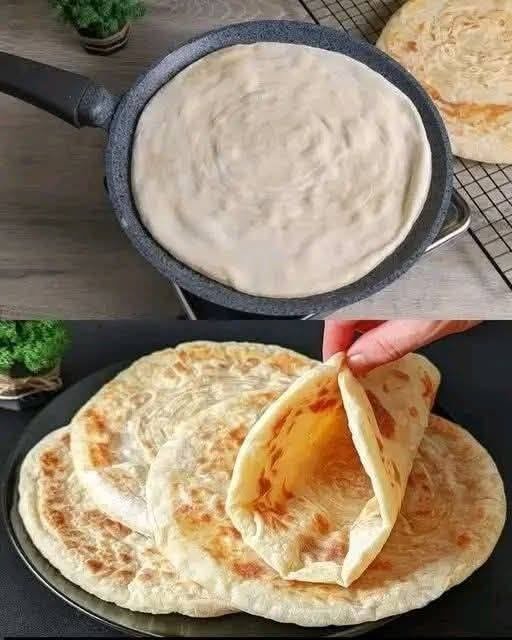
Flat bread is one of the oldest and most beloved foods in the entire world because it is simple to make and incredibly tasty to eat. This recipe is all about creating a soft and flexible bread that does not require any fancy equipment or a long time to rise like traditional loaves of bread often do. When you make this at home you are connecting with a long history of cooking that spans across many different cultures and countries from the middle east to the streets of central America. The magic of this dish lies in how a few basic pantry staples like flour and water can transform into something so warm and comforting within just a few minutes of work. You do not need to be an expert baker or have a professional kitchen to master this skill because the process is very forgiving and easy for beginners to learn quickly. Most people find that once they start making their own bread at home they never want to go back to the store bought versions that often sit on shelves for days. This specific guide will walk you through every single detail so you can feel confident and happy while you are mixing and rolling your dough on the kitchen counter.
People love this recipe because it is incredibly versatile and can be used for so many different meals throughout the week without ever getting boring or repetitive. You can wrap it around grilled meats or fresh vegetables for a healthy lunch or you can use it to scoop up thick stews and spicy curries during a cozy dinner. Kids especially love these breads because they are fun to hold and have a mild flavor that pairs perfectly with sweet toppings like honey or savory ones like melted cheese and garlic. There is a certain sense of pride that comes with serving bread that you made with your own two hands and your family will definitely notice the difference in quality and freshness immediately. Another reason for its popularity is that it is very affordable to make which helps families save money while still eating high quality food that is free from hidden chemicals. The texture is usually soft and pillowy with little charred spots from the pan that add a wonderful smoky flavor that you simply cannot find in a plastic bag at the market. Because it cooks so fast on a hot pan it is a great solution for those nights when you want something homemade but do not have hours to spend waiting.
You should make this recipe whenever you feel like you need a little bit of extra warmth and love in your kitchen because the smell of fresh bread cooking is truly one of the best scents in existence. It is the perfect activity for a slow weekend morning when you want to bond with your children or your partner by working together on a fun and productive project. From a fitness perspective making your own bread allows you to control exactly what goes into your body so you can avoid the extra sugar and heavy oils found in many commercial products. If you are feeling stressed or tired the rhythmic act of kneading the dough can be very therapeutic and helps you focus on the present moment while creating something delicious for yourself. Many people choose to make this during the holidays or for special gatherings because it adds a personal touch to the meal that shows your guests how much you truly care about their experience. It is also a fantastic way to use up the flour in your pantry before it goes bad and ensures that you always have a reliable food source even if you cannot make it to the grocery store. Whether you are eating for health or for pure emotional comfort this flat bread will always be a reliable friend in your culinary journey.
The taste and texture of fresh flat bread provide a sensory experience that is far superior to anything you can buy in a box or a bag at a typical chain store. When it is hot off the pan it has a light and airy quality that makes it feel much less heavy than a thick slice of regular sandwich bread. The slight chewiness of the dough combined with the crispy exterior creates a perfect balance that makes every bite interesting and satisfying for your taste buds. It acts like a blank canvas which means you can add herbs or spices directly into the flour to change the flavor profile to match whatever you are cooking that day. For those who are trying to lead a more natural lifestyle this recipe is a gold mine because it uses such minimal processing and relies on simple physical techniques to create structure and volume. It is a humble food that brings a sense of luxury to the table because fresh bread has always been a symbol of hospitality and abundance in homes across the globe. By mastering this simple recipe you are gaining a skill that will serve you for a lifetime and will allow you to feed yourself and others with wholesome and delicious food whenever the craving strikes.
Ingredients You Will Need
To make this wonderful flat bread you will need to gather these simple items from your kitchen or the local market.
-
Two cups of all purpose flour which provides the base and structure for your dough
-
Three quarters of a cup of warm water to help activate the proteins in the flour
-
Two tablespoons of olive oil or melted butter to make the bread soft and rich
-
One teaspoon of fine sea salt to bring out the natural flavors of the grain
-
Half a teaspoon of baking powder if you want a little bit of extra fluffiness
-
One tablespoon of plain yogurt which is an optional secret ingredient for extra softness
-
A small bowl of extra flour to use for dusting your work surface and rolling pin
Step by Step Method
Start by taking a large mixing bowl and adding your two cups of all purpose flour along with the salt and the baking powder. Use a whisk or a fork to stir these dry ingredients together very well so that the salt is distributed evenly throughout the mixture. Create a small well or a hole in the center of the flour and pour in your warm water along with the olive oil and the optional spoonful of yogurt. Use a sturdy wooden spoon to slowly bring the flour from the edges into the liquid in the middle until a shaggy and sticky dough begins to form in the bowl. If the mixture feels way too sticky you can add a tiny bit more flour but be careful not to add too much because you want the dough to stay hydrated and soft.
Once the dough has come together in a rough ball move it onto a clean flat surface like a kitchen counter that has been lightly dusted with extra flour. Use the heels of your hands to push the dough away from you and then fold it back over itself in a steady and calm rhythmic motion. Continue this kneading process for about five to seven minutes until the dough feels smooth and elastic and it no longer sticks to your fingers or the table. Form the dough into a neat round ball and place it back into the mixing bowl then cover it with a clean kitchen towel to let it rest for at least twenty minutes. This resting period is very important because it allows the gluten to relax which makes the dough much easier to roll out into thin circles later on.
After the dough has finished resting move it back to your floured surface and use a knife to divide it into six or eight equal sized pieces depending on how large you want your breads to be. Take one piece and roll it into a small ball with your hands while keeping the other pieces covered so they do not dry out in the air. Use a rolling pin to flatten the small ball into a thin circle that is about six or eight inches wide and very thin like a pancake. Do not worry if your circles are not perfectly round because a rustic and irregular shape actually makes them look more homemade and charming to your guests. Repeat this rolling process for each piece of dough and keep them separated with pieces of parchment paper so they do not stick together before they hit the heat.
Place a large flat pan or a heavy skillet over medium high heat on your stove and let it get very hot before you start cooking the bread. You do not need to add any extra oil to the pan if it is non stick or well seasoned but you can add a tiny drop if you prefer a crispier texture. Carefully lay one circle of dough into the hot pan and watch as small bubbles begin to form on the surface of the bread within about thirty or forty seconds. Once the bottom has beautiful golden brown spots use a spatula or tongs to flip the bread over and cook the other side for another minute or so. Remove the finished flat bread from the heat and wrap it in a clean towel to keep it warm and soft while you finish cooking the rest of the batch.
Why This Recipe Is Special
This recipe is special because it focuses on the purity of ingredients and the simplicity of the cooking process which is often lost in modern food preparation. There are no preservatives or artificial colors in this bread which makes it a much healthier choice for your digestive system and overall well being. The addition of olive oil provides healthy fats that are good for your heart while the flour provides the energy your brain and muscles need to function throughout the busy day. It is also a very low waste recipe because you only make exactly what you need and you do not have to worry about a large loaf going moldy on your counter. The taste is superior because the high heat of the pan creates a unique caramelization of the flour that gives a deep and nutty flavor profile. Furthermore this recipe is a great way to build confidence in the kitchen for anyone who feels intimidated by traditional yeast breads that require complex rising times and temperatures. It is a quick and reliable way to put fresh food on the table that makes everyone feel nourished and cared for.
Extra Tips for Better Taste
If you want to make your flat bread taste even better you can try brushing the hot bread with a little bit of garlic butter as soon as it comes off the pan. You can also mix dried herbs like oregano or rosemary directly into the flour before you add the water for an aromatic experience that smells amazing while it cooks. For a bit of a spicy kick you can add a pinch of red pepper flakes or some cracked black pepper to the dough mixture. Another great trick is to use milk instead of water if you want a bread that is even richer and has a more tender crumb. If you have a gas stove you can carefully char the edges of the cooked bread over an open flame for a few seconds to get that authentic restaurant style smoky finish. Always remember to keep your finished breads covered in a cloth because the steam from the hot bread helps keep the stack soft and flexible for several hours. You can even freeze these breads by placing them in a sealed bag with paper between them and they will taste just as good when you reheat them in a pan later on.
Final Thoughts
We hope you have a wonderful time making this simple flat bread and that it brings a lot of joy to your kitchen and your dining table. Cooking is a beautiful journey of discovery and mastering a basic staple like this is a huge step toward becoming a more independent and creative home cook. Do not be afraid to experiment with different flours or toppings until you find the version that your family loves the most. Remember that the best ingredient in any recipe is the love and patience you put into the process while you are working with the dough. Share your fresh bread with your friends and neighbors and enjoy the wonderful feeling of community that food always creates. Happy baking and we look forward to hearing about your success with this timeless and delicious recipe.
Nutrition Details
Below is a helpful table that shows the approximate nutritional values for one serving of this homemade flat bread.
| Nutrient | Amount Per Serving |
| Calories | 185 calories |
| Total Fat | 5 grams |
| Saturated Fat | 1 gram |
| Sodium | 390 milligrams |
| Total Carbohydrates | 30 grams |
| Dietary Fiber | 1 gram |
| Sugars | 0 grams |
| Protein | 4 grams |
| Calcium | 4 percent |
| Iron | 10 percent |
Please note that these values are estimates and the final numbers will depend on the specific brands of ingredients you choose to use. If you use butter instead of olive oil the saturated fat content will be slightly higher than what is listed in the table above. Adding yogurt will also slightly increase the protein and calcium levels of the final product.
Disclaimer
The information provided in this article is for educational and informational purposes only and is not intended as medical or health advice. Every person has a different body and unique nutritional needs so your individual results and reactions to this food may vary from someone else. If you have any allergies to gluten or dairy you should modify the recipe or speak with a health professional before eating these ingredients. We are not responsible for any adverse reactions or health issues that may arise from following this recipe or any suggestions mentioned here. Always practice safety in the kitchen when working with hot stoves and sharp tools to prevent accidents and injuries. Make sure to store your food properly to prevent any spoilage and always check your ingredients for freshness before you start the cooking process.