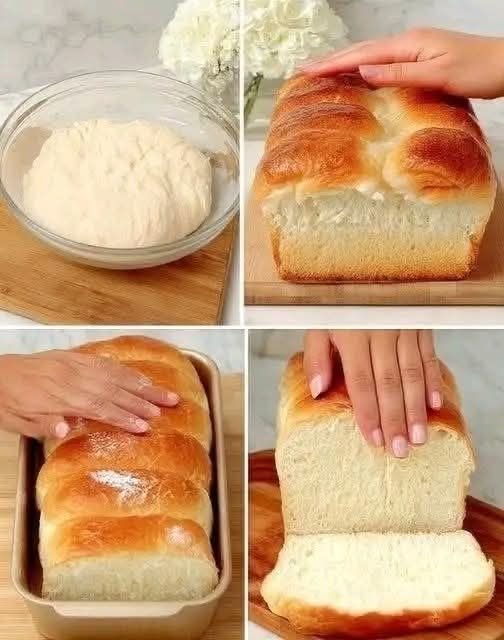
Japanese Milk Bread is a truly magical creation that has captured the hearts of bakers all over the world because of its incredibly soft and pillowy texture that feels like biting into a fluffy white cloud. This recipe is all about a special technique from Japan that uses a cooked flour and water paste to lock in moisture so the bread stays fresh and bouncy for much longer than a standard loaf of white bread. When you see a loaf of this bread sitting on your counter you will notice how it has a beautiful golden crust and a very fine interior that pulls apart in long and silky shreds that are almost like cotton candy. Many people know this bread by its traditional name Shokupan and it has become a global favorite because it combines the simplicity of daily bread with a level of luxury that is usually only found in high end pastry shops. The secret to this amazing softness is the extra hydration that the cooked paste provides which allows the dough to rise high and stay incredibly tender even after it has cooled down completely. Making this bread is a wonderful journey for any home cook because it teaches you how to handle yeast and flour in a way that feels very rewarding and artistic as the dough transforms under your hands. You do not need a lot of expensive tools to make this happen but you do need a little bit of patience and a lot of love for the process of creating something wholesome from scratch.
People absolutely love this recipe because it provides a level of comfort that is very hard to find in store bought bread which often contains many chemicals and preservatives that can make the bread feel dry or crumbly. There is a deep satisfaction in pulling a warm loaf of milk bread apart and seeing the steam rise from the center while the sweet and milky aroma fills your entire kitchen with a sense of home. Most people find that this bread is the ultimate choice for making sandwiches or French toast because it is strong enough to hold its shape but soft enough to melt in your mouth with every single bite. The flavor is slightly sweet and very creamy which makes it a hit with children who might usually struggle with the hard crusts of sourdough or rustic whole wheat loaves. It is also a very forgiving dough once you understand the basic steps which means you can bake it into different shapes like buns or rolls or even long braids to impress your friends at a dinner party. The popularity of Japanese Milk Bread comes from the fact that it feels like a special treat every time you eat it regardless of whether you are having it for breakfast or a midnight snack. It is a reliable classic that has stood the test of time because the science behind the recipe works perfectly every single time to produce a result that is consistently delicious and beautiful.
You should choose to make Japanese Milk Bread when you want to treat yourself to a slow and relaxing morning in the kitchen or when you want to show your family how much you care about their happiness. There is a strong emotional connection to the smell of baking bread that can turn a stressful day into a peaceful one because the rhythmic kneading of the dough is like a form of meditation for the body and the mind. If you are looking for a fitness reason to bake your own bread you will appreciate that you have total control over the ingredients which means no hidden additives or strange oils that you cannot pronounce. While this bread is white and soft it provides a good source of energy for your brain and muscles especially if you enjoy it before a long walk or a busy day of chores around the house. Many people make this bread for special celebrations like birthdays or holidays because it looks so professional and elegant when it is sliced and served on a pretty wooden board. Making your own bread is an act of independence that saves you money over time and gives you a great sense of pride when you see the golden brown crust coming out of your own oven. It is the perfect recipe for those days when you want your home to feel cozy and warm and full of life because the presence of fresh bread always makes a house feel more like a home.
The taste of Japanese Milk Bread is a delicate balance of fresh dairy notes and a hint of sweetness that lingers on your tongue without being overwhelming like a cake or a cookie would be. Each bite offers a satisfying chewiness that comes from the high protein flour but it is quickly followed by a softness that is truly unique to this specific Japanese baking method. When you toast a slice of this bread it becomes crispy on the outside while remaining very moist and tender on the inside which creates a wonderful contrast that is perfect for spreading butter or jam. You will notice that the bread does not crumble into a thousand pieces when you bite into it but instead it gently compresses and then springs back to its original shape which is a sign of a perfect bake. Serving this to your friends or family is a way to share a piece of culinary art that is both humble and extraordinary at the same time for everyone at the table. It is the kind of food that makes people slow down and really taste the quality of the milk and the butter that went into the mixing bowl during the early stages of the morning. Every time you bake a loaf of Japanese Milk Bread you are continuing a tradition of excellence that values the texture of the food just as much as the flavor which is why it remains a top choice for bread lovers everywhere.
Ingredients You Will Need
To make this iconic and fluffy bread you will need to gather these simple but high quality ingredients for both the starter paste and the main dough:
For the Starter Paste also known as Tangzhong
-
25 grams of high protein bread flour
-
120 milliliters of whole milk or water
For the Main Bread Dough
-
350 grams of high protein bread flour
-
60 grams of granulated white sugar
-
7 grams of instant dry yeast
-
5 grams of fine sea salt
-
1 large egg at room temperature
-
120 milliliters of warm whole milk
-
50 grams of unsalted butter softened to room temperature
-
10 milliliters of vegetable oil for greasing the bowl
For the Egg Wash on Top
-
1 large egg
-
15 milliliters of whole milk
Step by Step Method
The first step in this process is to make the starter paste which is the secret to the soft texture so start by placing your flour and milk into a small saucepan over medium heat. Whisk the mixture constantly for about three to five minutes until it thickens into a smooth and shiny paste that looks like a thick custard or mashed potatoes. Remove the paste from the heat and transfer it to a small bowl and cover it with plastic wrap so that a skin does not form on the surface while it cools down to room temperature. It is very important that this paste is not hot when you add it to the yeast later because high heat can kill the yeast and prevent your bread from rising properly.
Once the paste is cool you can begin the main dough by taking a large mixing bowl and combining your bread flour with the sugar and the instant dry yeast and the sea salt. Make sure to keep the salt away from the yeast at first because direct contact can sometimes slow down the fermentation process that makes the bread light. In a separate small jug whisk together your warm milk and the room temperature egg until they are well combined and then pour this liquid into the dry ingredients. Add the cooled starter paste into the bowl as well and begin to stir everything together with a wooden spoon or your hands until a shaggy and sticky dough begins to form.
If you are using a stand mixer attach the dough hook and knead the mixture on a low speed for about five minutes until the dough becomes smoother and less sticky. If you are kneading by hand turn the dough out onto a clean surface and push it away from you with the palms of your hands and then fold it back in a rhythmic motion for about ten minutes. Now you must add the softened butter one small piece at a time and continue kneading until the butter is fully absorbed and the dough is very stretchy and shiny. You will know the dough is ready when you can pull a small piece of it into a very thin sheet without it tearing which is a sign that the gluten has developed perfectly.
Shape the dough into a smooth ball and place it into a bowl that has been lightly greased with vegetable oil to prevent sticking during the first rise. Cover the bowl with a clean kitchen towel and leave it in a warm and draft free spot for about one hour or until the dough has doubled in size. Once the dough has risen gently press your fist into the center to release the air bubbles and then turn it out onto your work surface. Divide the dough into three or four equal pieces and roll each one into a ball and let them rest for ten minutes so the gluten can relax for the final shaping.
Take each ball of dough and roll it out into a long oval shape with a rolling pin and then fold the sides toward the middle like a letter. Roll it up tightly from the bottom to the top to create a small cylinder and place these rolls side by side into a greased loaf pan. Cover the pan again and let the bread rise for another forty five minutes until the dough reaches the top of the pan and looks very full and bouncy. While the bread is rising preheat your oven to 175 degrees Celsius so it is at the perfect temperature for baking.
Whisk your extra egg and milk together to make the egg wash and gently brush it over the top of the risen dough to give it a shiny and golden finish. Place the loaf pan in the center of the oven and bake for about thirty to thirty five minutes until the top is deep golden brown and the bread sounds hollow when you tap it. Remove the pan from the oven and let the bread cool inside the tin for five minutes before moving it to a wire rack to cool completely. It is very tempting to cut into it right away but waiting until it is cool will ensure that the interior stays soft and does not become gummy or wet.
Why This Recipe Is Special
This recipe is special because it utilizes a unique scientific approach to baking that solves the age old problem of homemade bread going stale too quickly. By cooking a portion of the flour and liquid beforehand you are pre gelatinizing the starches which allows them to hold onto much more water than they normally could. This means your Japanese Milk Bread will stay fresh and soft for several days which is a huge benefit for small families who cannot finish a whole loaf in one sitting. The texture is so fine and the crumb is so tight that it feels more like a pastry than a simple loaf of bread which makes every meal feel like a special occasion.
From a health point of view making your own bread is special because you are avoiding the high fructose corn syrup and the strange conditioners that are found in almost all commercial white breads. You are using real butter and fresh milk which provide healthy fats and proteins that are good for your body and your brain function. The taste is honest and clean and it reminds you of a time when food was made slowly and with high quality ingredients from the local farm. This bread is a celebration of craftsmanship that proves you can achieve professional results in a standard home kitchen with just a bit of effort and the right technique.
Extra Tips for Better Taste
To make your Japanese Milk Bread even more delicious you can try brushing the top of the loaf with melted butter as soon as it comes out of the oven for an extra soft crust. If you want a deeper flavor you can use honey instead of white sugar which adds a beautiful floral note and helps the bread stay moist for an even longer period of time. Another great tip is to use bread flour rather than all purpose flour because the higher protein content is what gives the bread that amazing shreddy texture when you pull it apart. You can also add a little bit of milk powder to the dry ingredients if you want a more intense dairy flavor that reminds people of the famous bakeries in Tokyo.
If you find that your kitchen is too cold for the dough to rise you can place the bowl inside an oven that is turned off but has a bowl of hot water sitting on the bottom rack. This creates a warm and humid environment that yeast absolutely loves and will help your bread rise much faster and more consistently. Always make sure your butter is truly soft before you add it to the dough because cold butter will not mix in properly and will leave greasy streaks in your finished loaf. If you want to get creative you can add raisins or chocolate chips to the dough during the shaping stage to turn your milk bread into a sweet snack that is perfect for tea time.
Final Thoughts
We hope that you find as much joy in baking this Japanese Milk Bread as we do because it truly is one of the most satisfying things you can make in your home kitchen. There is a sense of wonder in watching simple white flour and milk turn into a golden and fluffy loaf that can feed your family and bring everyone together around the table. Do not be discouraged if your first loaf is not perfect because bread baking is a skill that grows with every single batch you put into the oven. Share your bread with your neighbors or your friends and enjoy the wonderful compliments you will surely receive for your hard work and dedication. Happy baking and may your kitchen always be filled with the warm and comforting smell of fresh milk bread.
Nutrition Details
Below is a table showing the estimated nutritional information for one slice of Japanese Milk Bread based on a loaf cut into twelve equal pieces.
| Nutrient | Amount Per Serving |
| Calories | 195 kcal |
| Total Fat | 6 grams |
| Saturated Fat | 3.5 grams |
| Cholesterol | 35 milligrams |
| Sodium | 110 milligrams |
| Total Carbohydrates | 30 grams |
| Dietary Fiber | 1 gram |
| Sugars | 6 grams |
| Protein | 5 grams |
| Vitamin A | 4 percent |
| Calcium | 4 percent |
| Iron | 6 percent |
This bread is quite rich due to the butter and milk but it is a great source of energy and protein for your daily diet. You can reduce the sugar if you want a more savory bread or use low fat milk if you are looking to lower the calorie count slightly. One slice is very filling and provides a good balance of macronutrients that will keep you satisfied during your morning routine or as a side dish for your lunch.
Disclaimer
Please keep in mind that every person has a different body and different nutritional needs so the way your body reacts to bread and yeast might be unique to you. The nutritional facts provided in this article are only estimates and can change depending on the specific brands of flour and butter you use in your kitchen. This article is meant for informational and educational purposes only and is not intended to provide professional medical or dietary advice. If you have a gluten intolerance or a dairy allergy you should consult with a doctor before trying this recipe or look for suitable alternative ingredients. Always follow safe kitchen practices and make sure to use fresh ingredients to ensure the best and safest results for you and your family. Your health is your own responsibility so please enjoy this bread as part of a varied and balanced lifestyle that works for your specific goals and physical needs.