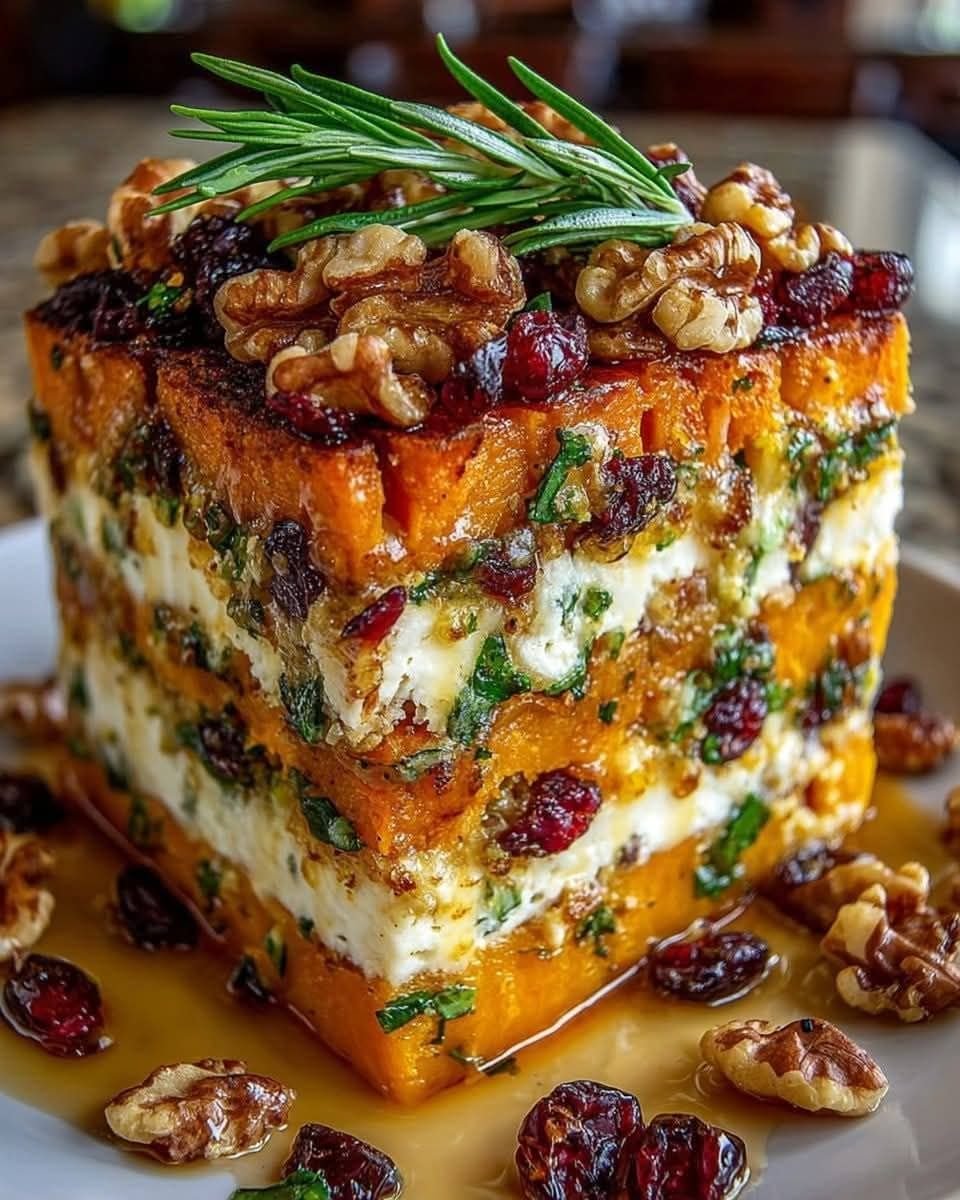
Vegetable Layers is a beautiful and healthy dish that focuses on stacking different kinds of fresh produce on top of each other to create a mountain of flavor and texture. This recipe is all about taking the humble vegetables from your garden or the local grocery store and turning them into a centerpiece that looks like a work of art. Instead of just mixing everything together in a messy pile you carefully place each ingredient in its own special level so that the colors and tastes stay bright and clear. You do not need to be a professional chef with a fancy kitchen to make this happen because the process is very simple and only requires a little bit of patience and a sharp knife. The goal is to let each vegetable shine while they all cook together in a harmonious way that brings out their natural sweetness and juices. It is a very flexible dish which means you can use whatever is in season or whatever you happen to have sitting in your refrigerator right now. When you take this out of the oven the steam will rise and reveal a beautiful pattern of red and green and yellow and white that will make everyone at the table smile. Once you learn how to build these layers you will find that it becomes a favorite way to eat more plants without feeling like you are eating a boring side dish.
People absolutely love the Vegetable Layers recipe because it offers a very unique eating experience where every forkful can be a different combination of tastes and sensations. There is something deeply satisfying about seeing the clear divisions between the soft potatoes and the crunchy peppers and the juicy tomatoes as they sit in the baking dish. Many fans of this recipe appreciate how the slow roasting process allows the flavors of the garlic and herbs to seep down through every level of the dish from the top to the very bottom. It is a very popular choice for people who want to serve a meal that feels fancy and special but actually requires very little active work once the slicing is finished. Kids especially enjoy the visual appeal of the dish because it looks like a rainbow in a pan and it is a great way to encourage them to try new vegetables that they might otherwise avoid. People also love the fact that this dish is naturally very light and does not leave you feeling heavy or tired after you finish a large portion of it. It is a reliable and honest way of cooking that respects the ingredients and allows their true nature to be the star of the show for your dinner.
You should consider making these Vegetable Layers whenever you feel like your body needs a fresh start or a big boost of vitamins to keep your energy levels high. If you are someone who focuses on fitness and healthy living this recipe is a perfect match for your goals because it is packed with fiber and nutrients while being very low in fat. It is a wonderful choice for an emotional pick me up because the bright colors of the vegetables are known to help people feel more positive and happy during their mealtime. When the weather is transition between seasons and you want something that is both warm and refreshing this bake is the ideal solution to satisfy your cravings. You might also want to make this when you are hosting a dinner for friends who have different dietary needs because it is naturally free of gluten and dairy and meat. Making this dish is a way to practice mindfulness because the act of slicing and layering requires you to slow down and appreciate the shapes and smells of the fresh produce in your hands. It is a gift to yourself and your family that shows you care about their health and their enjoyment of good food made with love and attention.
The taste experience of this layered dish is truly special because it changes as you move through the pan from the crispy edges on top to the tender and saucy vegetables at the bottom. By making your own layers at home you have the power to control exactly how much salt and oil you use which makes it a much smarter choice than buying pre made vegetable bakes. It is a creative process that allows you to experiment with different herb combinations like rosemary and thyme or even some fresh basil to change the aroma of the dish. Every time you serve a slice of this vegetable mountain you are giving your body a wide range of antioxidants that help you stay strong and healthy for the long term. The simplicity of the method means you can spend more time enjoying the company of your loved ones while the oven does the hard work of blending all the flavors together. This Vegetable Layers recipe is more than just a vegetable side because it represents the beauty of simple and whole foods that come straight from the earth to your plate. It is a timeless dish that proves you do not need expensive meats or heavy sauces to create a meal that is memorable and delicious for every person at your table.
Ingredients You Will Need
To create a beautiful and large dish of Vegetable Layers for about six people you will need to have these fresh items ready:
-
Two large russet potatoes peeled and sliced into very thin rounds
-
Two medium zucchini sliced into thin circles
-
Three large tomatoes sliced into thick rounds
-
One large red onion sliced into thin rings
-
Two bell peppers one red and one yellow sliced into strips
-
One large eggplant sliced into thin rounds
-
Three cloves of fresh garlic finely minced
-
One quarter cup of extra virgin olive oil
-
One tablespoon of fresh thyme leaves
-
One tablespoon of fresh rosemary chopped finely
-
One teaspoon of sea salt
-
One teaspoon of freshly cracked black pepper
-
Half a cup of vegetable broth to keep things moist
-
A small handful of fresh parsley for a garnish
Step by Step Method
The very first step in your cooking process is to preheat your oven to three hundred and seventy five degrees Fahrenheit so that it is hot and ready for your vegetables. While the oven is warming up you should spend time washing all of your produce very carefully under cold water and patting them dry with a clean towel. Take your cutting board and a sharp knife and begin slicing all of the vegetables into thin and even pieces so that they will cook at the same rate. If the potato slices are too thick they might stay hard while the tomatoes turn into mush so try to keep everything around the same thickness if you can.
In a small bowl mix together the extra virgin olive oil with the minced garlic and the chopped thyme and rosemary along with the salt and the pepper. This herb oil will be the magic liquid that seasons every level of your dish and helps the vegetables roast perfectly in the heat. Find a large and deep baking dish and lightly grease the bottom and sides with a little bit of the oil mixture to prevent anything from sticking. Now you can begin the fun part of building the layers by placing the potato slices in a single even layer across the entire bottom of the dish.
Drizzle a small amount of the herb oil over the potatoes and then add a layer of the eggplant rounds followed by another small drizzle of oil. Continue this process by stacking the zucchini and then the onions and then the bell peppers until you have built up several levels of colorful vegetables. The final layer on the very top should be the tomato slices because their juice will drip down and keep all the other vegetables moist as they bake. Pour the vegetable broth into the corner of the dish so that it settles at the bottom and creates a little bit of steam while the pan is in the oven.
Cover the baking dish tightly with a piece of aluminum foil so that the heat stays trapped inside and the vegetables can soften properly. Place the dish in the middle rack of your oven and bake for about forty minutes before removing the foil for the final part of the process. Taking the foil off for the last fifteen to twenty minutes allows the top layer of tomatoes to brown slightly and any extra liquid to evaporate so the flavors become more concentrated. You will know it is finished when the potatoes at the very bottom are soft and tender when you poke them with a fork. Let the dish rest for ten minutes before serving so that the layers stay together and the juices settle nicely.
Why This Recipe Is Special
This recipe is special because it takes simple and affordable ingredients and turns them into a meal that is packed with nutrition and elegance. Each layer of the dish provides different health benefits such as the potassium from the potatoes and the heart healthy lycopene found in the cooked tomatoes. The zucchini and eggplant add a lot of bulk and fiber to the meal which helps you feel full without consuming a lot of extra calories or sugars. By using fresh garlic and herbs instead of powdered versions you are getting a much more vibrant flavor that makes the dish feel alive and fresh.
The taste is special because the slow roasting allows the vegetables to caramelize in their own juices which creates a natural sweetness that is better than any added sugar. Because the vegetables are layered rather than mixed each one keeps its own distinct flavor while still being part of a larger and more complex profile. It is a very safe and inclusive recipe for people who have allergies because it does not contain any nuts or soy or dairy or gluten products. This dish promotes a healthy way of eating that focuses on the abundance of the earth and the beauty of eating a wide variety of colors in one sitting. It is a recipe that you can feel proud of because it supports your long term wellness while also providing a delicious experience for your taste buds.
Extra Tips for Better Taste
If you want to make your Vegetable Layers even more flavorful you can try adding a layer of thinly sliced lemon between the vegetables to add a bright and citrusy note. Another creative tip is to sprinkle a little bit of nutritional yeast or grated hard cheese between the layers if you want a more savory and cheesy taste. You can also experiment with adding different spices like smoked paprika or cumin to the oil mixture to give the dish a more smoky or earthy character. If you find that your vegetables are releasing too much water you can salt the eggplant and zucchini slices for ten minutes and then pat them dry before layering them to remove excess moisture.
For a beautiful presentation you can arrange the vegetables in a circular spiral pattern instead of flat layers which looks very impressive in a round baking dish. If you have any leftovers they taste wonderful the next day when the flavors have had even more time to blend together and can be served cold or reheated. You can also use the leftover vegetables as a filling for a healthy wrap or as a topping for a bowl of cooked quinoa or brown rice. To get a bit of a crunch on top you can sprinkle a few breadcrumbs or chopped seeds over the tomatoes during the last ten minutes of baking. The more you make this dish the more you will find your own favorite combinations of vegetables and herbs that make the recipe perfect for your specific family.
Final Thoughts
We hope that this guide to making Vegetable Layers inspires you to get into the kitchen and play with all the wonderful colors and flavors that fresh produce has to offer. It is a rewarding experience to build something so beautiful from such simple beginnings and to know that you are nourishing your body with every bite. Cooking is a journey of discovery and this layered bake is a great way to explore the different textures of the vegetable world in a single pan. Share this recipe with your friends who are looking for healthy meal ideas and enjoy the sense of community that comes from eating well together. Thank you for reading our article and we wish you many happy and healthy meals as you continue to cook with fresh and whole ingredients.
Nutrition Details
Below is a table that shows the estimated nutritional values for one serving of Vegetable Layers based on the standard ingredients listed in our recipe.
| Nutrient Type | Amount Per Serving |
| Calories | One hundred and forty calories |
| Total Fat | Nine grams |
| Saturated Fat | One gram |
| Cholesterol | Zero milligrams |
| Sodium | Three hundred and eighty milligrams |
| Total Carbohydrates | Fifteen grams |
| Dietary Fiber | Five grams |
| Sugars | Six grams |
| Protein | Three grams |
Disclaimer
Please keep in mind that the nutritional information provided here is only an estimate and the actual numbers can change depending on the size of your vegetables and the brand of oil you use. Every person has a unique body and different health goals so you should always listen to your own needs and talk to a doctor if you have questions about your personal diet. This article is meant to be a helpful guide for beginners and is not intended to be medical advice or a promise of any specific health result for your life. Always make sure to wash your produce thoroughly and handle your kitchen tools with care to ensure a safe environment for everyone. Your health is a very important journey and we hope that you find a way to enjoy this delicious vegetable dish in a way that makes you feel strong and happy every single day.