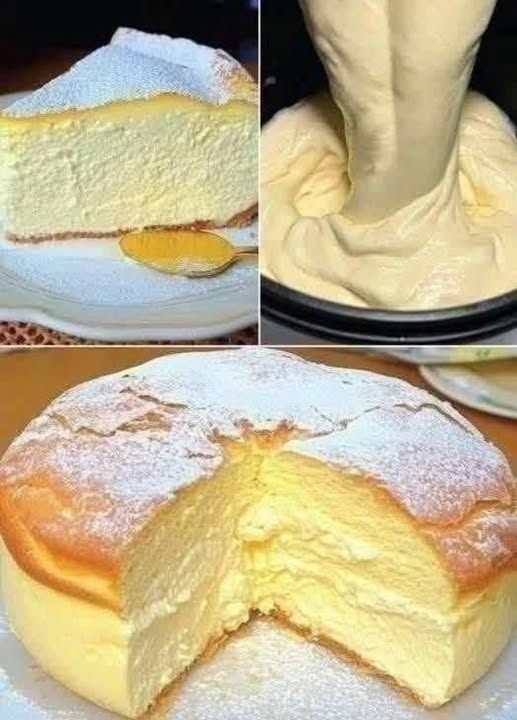
Japanese Souffle Cheesecake
Japanese souffle cheesecake is a magnificent dessert that has captured the hearts of food lovers all around the world because of its unique and cloud like texture. This recipe is not like a traditional New York style cheesecake which is usually very dense and heavy and sits on a thick graham cracker crust. Instead this version is incredibly light and airy and it wobbles beautifully when you give the plate a gentle shake after it comes out of the oven. It is often called cotton cheesecake because the inside feels as soft as a pillow and melts on your tongue almost the moment you take a bite. The process of making it involves a very careful balance of creamy cheese and whipped egg whites which create thousands of tiny bubbles that give the cake its famous lift and bounce. While it looks very fancy and professional it actually uses very simple ingredients that you can find at any local grocery store without much trouble. This recipe is perfect for anyone who enjoys a dessert that is not too sweet but offers a very deep and satisfying flavor that leaves you wanting more. It is a true masterpiece of baking that combines the elegance of a French souffle with the comforting creaminess of a traditional cheese tart in a single dish.
People absolutely love this cheesecake because it offers a sensory experience that is completely different from any other sweet treat you might find in a bakery. One of the main reasons it has become a viral sensation is the playful wobble that it shows off when it is fresh and warm which makes it very fun to share on social media or with friends at a dinner party. Beyond the looks the taste is very subtle and sophisticated which appeals to people who do not like desserts that are loaded with too much sugar or heavy frosting. The crustless design means you get to enjoy the pure and creamy goodness of the cheese from the very top all the way down to the bottom of each slice. It is a very impressive cake to serve because it rises high and proud in the pan and has a beautiful golden brown top that looks like a sunset. Even though it requires a bit of patience and a gentle touch the reward of a successful bake is a feeling of great accomplishment for any home cook. Many people find the process of whipping the egg whites and folding them into the batter to be very peaceful and rewarding as they watch the mixture transform into a fluffy and light foam.
You should make this Japanese souffle cheesecake whenever you want to celebrate a special occasion with a dessert that feels light enough to enjoy after a very large meal. It is a fantastic choice for birthdays or anniversaries or even a simple weekend brunch when you want to surprise your family with something that looks like it came from a high end pastry shop. Many people choose to bake this cake during the spring and summer months because it is not heavy or greasy and it pairs wonderfully with fresh berries or a light dusting of powdered sugar. From an emotional perspective this cake is a wonderful way to show someone you care because it takes a little bit of extra time and attention to detail to get the texture just right. If you are someone who is mindful of their fitness you might appreciate that this cake uses less sugar and fat than many other types of traditional cakes making it a slightly better choice for a balanced lifestyle. It provides a sense of luxury and elegance without making you feel weighed down or sluggish after you finish your portion. There is something truly magical about the way the cake deflates just a little bit as it cools down which creates a very dense and rich flavor that is still remarkably soft.
The taste of this cheesecake is a delicate dance between the tanginess of the cream cheese and the natural sweetness of the sugar and the richness of the egg yolks. It has a very clean finish on the palate which makes it a great canvas for adding your own favorite toppings like a warm strawberry sauce or a dollop of whipped cream. Because it is cooked in a water bath the moisture is locked inside the cake which ensures that it never becomes dry or crumbly like a standard sponge cake might. This recipe is not just about fuel but about enjoying the process of eating something that was made with care and fresh ingredients. It serves as a reminder that the most basic foods often provide the most intense pleasure when they are cooked with patience and love. Once you try this Japanese souffle cheesecake you will understand why it has become a staple in so many households across the world and why it remains a top choice for dessert lovers everywhere. It is a timeless classic that brings a touch of grace and beauty to any table it sits on and it is sure to become a favorite in your own kitchen once you master the simple steps required to make it.
Ingredients You Will Need
-
250 grams of full fat cream cheese at room temperature
-
6 large eggs with the yolks and whites separated into two bowls
-
140 grams of fine granulated sugar
-
60 grams of unsalted butter
-
100 milliliters of full cream milk
-
60 grams of cake flour sifted twice
-
20 grams of cornstarch sifted twice
-
1 tablespoon of fresh lemon juice
-
1 teaspoon of pure vanilla extract
-
1 quarter teaspoon of cream of tartar
-
Hot water for the water bath
Step by Step Method
Start by preparing your baking pan so that the cake does not stick and has plenty of room to rise up high. You will need an eight inch round cake pan that is at least three inches deep because this cake grows quite a lot during the baking process. Line the bottom and the sides of the pan with parchment paper making sure the paper stands up about two inches above the rim of the pan to act as a collar. Wrap the outside of the pan in two layers of heavy duty aluminum foil to prevent any water from getting inside during the water bath.
Preheat your oven to 320 degrees Fahrenheit and place a large roasting pan on the bottom rack which will hold your water bath later. In a large heatproof bowl combine the cream cheese and the butter and the milk and place it over a pot of simmering water. This is called a double boiler and it will melt the ingredients gently without burning them. Stir the mixture constantly with a whisk until it is completely smooth and creamy with no lumps remaining at all.
Remove the bowl from the heat and let it cool down slightly so that it is warm but not hot to the touch. Add the six egg yolks one at a time and whisk them into the cheese mixture until they are fully incorporated. Stir in the lemon juice and the vanilla extract which will give the cake its bright and fresh aroma. Sift the cake flour and the cornstarch directly into the bowl and whisk gently until you have a very smooth batter with no dry flour visible.
In a separate large and very clean bowl start beating the egg whites with a hand mixer or a stand mixer on low speed. Once the whites become foamy add the cream of tartar which helps to stabilize the bubbles and keep the foam strong. Gradually increase the speed to medium and start adding the sugar one tablespoon at a time while you continue to beat the whites. You want to reach the stage called soft peaks where the foam is shiny and white and the tip of the peak curls over when you lift the whisk.
Take one third of the whipped egg whites and gently fold them into the cheese batter using a large rubber spatula. Use a folding motion which means you cut through the middle and turn the batter over from the bottom to keep as much air as possible. Add the rest of the egg whites in two more batches and continue to fold very gently until the color is even and there are no white streaks left. Be careful not to over mix or you will pop all the tiny bubbles that make the cake rise.
Pour the batter into your prepared cake pan and give it a few light taps on the counter to release any large air bubbles that might be trapped inside. Place the cake pan into the roasting pan in the oven and carefully pour hot water into the roasting pan until it reaches halfway up the side of the cake pan. Bake the cake at 320 degrees for about twenty minutes and then lower the heat to 300 degrees for another forty to fifty minutes.
When the cake is done turn off the oven and leave the door slightly ajar with a wooden spoon for about fifteen minutes. This slow cooling process prevents the cake from collapsing too quickly due to the sudden change in temperature. Remove the cake from the oven and carefully lift it out of the water bath and the pan. Let it cool on a wire rack until it reaches room temperature and then place it in the fridge for at least four hours to let the flavor and texture set perfectly before you serve it.
Why This Recipe Is Special
This Japanese souffle cheesecake is special because it represents a perfect harmony of texture and flavor that is very hard to find in other desserts. The use of a water bath is a key technique that ensures the cake stays moist and prevents the edges from getting too dark or tough. It creates a gentle heat that cooks the eggs and the cheese slowly which results in a very uniform and smooth crumb that is a delight to eat. This method is what gives the cake its characteristic wobble and its light and airy structure.
Another reason this recipe is so special is that it is surprisingly light in terms of calories compared to a traditional cheesecake. Because the volume comes from whipped egg whites rather than heavy cream or lots of extra butter you can enjoy a slice without feeling like you have overindulged. It is a great option for people who want to be mindful of what they eat but still want to enjoy a high quality dessert. The protein from the eggs and the calcium from the cheese also offer some nutritional value that makes it a bit more substantial than a sugary sponge cake.
The visual appeal of this cake is also something that makes it very special for any occasion. A tall and golden brown souffle cheesecake sitting on a cake stand is a sight that will impress anyone who sees it. It has a very clean and minimalist look that reflects the beauty of Japanese culinary traditions where every detail is carefully considered. Even without any extra decorations the cake looks complete and elegant which is a testament to the quality of the recipe and the technique used to make it.
Finally this cake is special because it encourages a mindful approach to baking and eating. You have to be present and patient during the process of whipping the eggs and folding the batter which can be a very grounding experience. When you finally sit down to eat a slice the delicate flavors and the melting texture force you to slow down and truly savor every single mouthful. It is a dessert that brings people together and creates a sense of joy and wonder that lasts long after the final crumbs are gone from the plate.
Extra Tips for Better Taste
To ensure that your cheesecake has the best possible flavor make sure you use high quality cream cheese that is not the spreadable kind from a tub. The bricks of cream cheese have the right consistency and fat content to give the cake its rich and velvety texture. You should also make sure that your eggs are at room temperature before you start because they will whip up to a much larger volume than cold eggs from the fridge. This simple step can make a huge difference in how high your cake rises during the baking process.
If you want to add a bit of extra flair to your cake you can try adding the zest of a whole lemon or even an orange to the batter. This adds a beautiful citrus note that cuts through the richness of the cheese and makes the cake taste even more refreshing. Some people also like to soak their berries in a little bit of honey and lemon juice before serving them on the side for an extra burst of natural sweetness. You can also experiment with different extracts like almond or even a little bit of rose water if you want to create a very unique and floral flavor profile.
One very important tip for a perfect top is to make sure your oven temperature is accurate by using an oven thermometer. Many ovens have hot spots or are not at the temperature the dial says which can cause the cake to crack or not rise evenly. If you see the cake rising too fast or the top getting dark too quickly you can lower the heat slightly or place a piece of foil loosely over the top. Protecting the top of the cake will ensure that it stays smooth and beautiful without any large cracks or burnt spots.
For the best texture always let the cake chill in the refrigerator for at least a few hours or even overnight before you cut into it. While the cake is delicious when it is warm and wobbly it truly develops its creamy and melt in your mouth quality after it has had time to rest and firm up. Use a very sharp knife that has been dipped in hot water and wiped dry to get clean and perfect slices every time. This attention to detail will make your homemade cake look like it was made by a professional pastry chef and will make the eating experience even more delightful for you and your guests.
Final Thoughts
Baking a Japanese souffle cheesecake is a wonderful journey that rewards your patience and care with a dessert that is truly out of this world. It is a humble cake that uses simple ingredients to achieve an extraordinary result that everyone will love. We hope that this guide makes the process feel easy and approachable for you so that you can enjoy the magic of this wobbly and fluffy treat in your own home. Whether you are making it for a big party or just a quiet afternoon tea this cheesecake is sure to bring a smile to your face and a sense of accomplishment to your heart.
Nutrition Details
The table below provides an estimate of the nutritional content for one serving of Japanese souffle cheesecake based on a total of eight servings per cake. Please remember that these values can change depending on the specific brands and sizes of ingredients you use.
| Nutrient | Amount Per Serving |
| Calories | 260 |
| Total Fat | 18 grams |
| Saturated Fat | 10 grams |
| Cholesterol | 165 milligrams |
| Sodium | 180 milligrams |
| Total Carbohydrates | 18 grams |
| Dietary Fiber | 0 grams |
| Sugars | 14 grams |
| Protein | 7 grams |
| Vitamin A | 12 percent of daily value |
| Calcium | 6 percent of daily value |
Disclaimer
The health and nutrition information provided in this article is for general educational purposes only and should not be used as a substitute for professional medical advice. Everyone has a different body and different dietary needs so your personal results from this recipe may vary. If you have specific health conditions or food allergies you should always consult with a doctor or a professional nutritionist before making big changes to your diet. The author is not a medical professional and this content is based on common knowledge about baking and nutrition. Always ensure your ingredients are fresh and follow proper food safety rules in your kitchen.